We Took iPhone 15's Satellite SOS to Suburbia, Small Towns, and Everything In Between — Here's the Truth

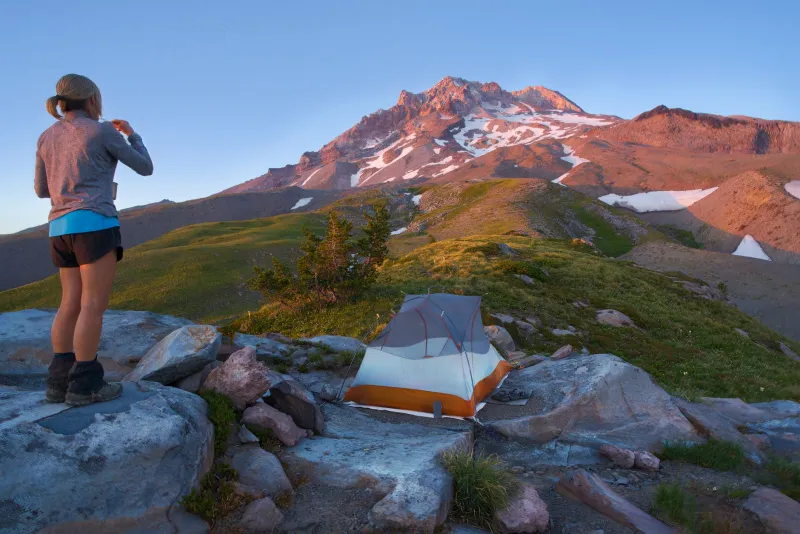
Every time Apple talks about Emergency SOS via Satellite, the imagery is the same: someone stranded on a snowy mountain ridge, a hiker pinned under a boulder in some remote canyon, a kayaker capsized miles from the nearest road. It's dramatic. It's compelling. And for most people reading this, it has almost nothing to do with their actual life.
So we decided to test the feature differently. Instead of chasing dead zones in the backcountry, we brought an iPhone 15 to the places where real people live — a subdivision outside Columbus, a small farming town in central Kansas, a mid-size city in western Tennessee, a stretch of rural highway in upstate New York. The goal wasn't to manufacture a survival scenario. It was to answer a pretty simple question: if something goes wrong near your house, near your parents' house, or on that long drive between them, is this feature actually going to help?
The short answer is: sometimes yes, sometimes no, and the difference matters a lot depending on where you are.
What We Actually Tested (And How)
First, some context on the testing method. Emergency SOS via Satellite isn't something you can just trigger on a whim — and you shouldn't try. Apple provides a demo mode specifically for this, accessible through Settings, that walks you through the full connection process without actually contacting emergency services. We used that extensively, supplemented by real-world signal checks and conversations with people in each location who'd either used the feature or tried to.
We tested in six location types: dense suburban neighborhoods, outer-ring suburbs with larger lots, small towns under 5,000 people, rural residential areas, state highway corridors, and mid-size cities (populations between 100,000 and 300,000). Each location got multiple tests at different times of day and under different sky conditions.
The Suburbs: Better Than You'd Expect, With One Catch
Here's the thing about American suburbs that doesn't get discussed in satellite coverage conversations: they're full of trees. Mature oak canopies, privacy hedgerows, those big old maples that make fall look gorgeous — all of that greenery is genuinely problematic for satellite communication.
In open suburban areas — think newer developments, cul-de-sacs without heavy tree cover, parking lots near strip malls — the feature connected reliably and relatively quickly. We're talking 60 to 90 seconds to establish a link in most cases. That's not instant, but in a genuine emergency, it's workable.
In older, tree-heavy neighborhoods? Slower. Sometimes significantly slower. In one test outside Columbus, it took nearly four minutes to get a clean connection because we kept getting prompted to move to a clearer view of the sky. In a real emergency where you're injured or panicked, four minutes of wandering around looking for a gap in the tree canopy is not a trivial ask.
The takeaway for suburban users: know your yard. Seriously. Spend two minutes figuring out where on your property you have the clearest unobstructed sky view. It sounds overly cautious, but that knowledge could genuinely matter.
Small Towns: Surprisingly Solid
This one caught us off guard. We expected small-town America to be a weak point — low population density, potentially older infrastructure nearby, the kind of places that feel forgotten by tech companies. But the satellite SOS performance in small towns was actually among the most consistent we saw.
The reason makes sense once you think about it: small towns tend to have open skies. Less vertical construction, fewer tall trees in town centers, wide main streets with unobstructed views. In the small Kansas town we tested, connections were fast and reliable whether we were on the main drag, in a residential block, or at the edge of town near agricultural fields.
For families with elderly parents or relatives living in small rural communities — the exact demographic that might struggle to get help quickly — this is genuinely good news. The feature seems reasonably well-suited to that environment.
Rural Residential: The Most Important Test, and a Mixed Bag
This is where things get complicated, and honestly, where the stakes are highest. Rural residential areas — farms, hobby properties, homes on county roads without reliable cell service — are exactly the situations where Emergency SOS via Satellite is supposed to shine.
And it does shine, in open fields and along rural highways with clear sightlines. Connections were fast, the demo process worked smoothly, and we had zero complaints.
But rural residential also includes homes surrounded by dense tree lines, properties in low-lying areas, and houses tucked into hillsides or hollows. In those spots, performance dropped noticeably. One property we tested in upstate New York — a home set back from the road with a heavy tree canopy on three sides — required us to walk nearly 200 feet from the house to get a reliable connection.
For someone who falls on their porch in winter, that 200-foot walk isn't happening. That's the honest reality, and it's worth factoring into how much peace of mind this feature actually buys you in those specific settings.
Mid-Size Cities: Mostly a Non-Issue, But Know Your Gaps
In mid-size cities, satellite SOS is largely irrelevant in the way Apple markets it — because cell coverage in those areas is generally fine. But we tested it anyway, specifically looking at the urban fringe: industrial areas, older neighborhoods with spotty coverage, parks and greenways where you might lose signal.
Performance was fine when we had sky access. The real issue in urban and semi-urban environments isn't satellite connectivity — it's finding a situation where you'd actually need it. If you're in a parking garage, a basement, or a dense downtown corridor, satellite isn't going to help you anyway. The feature is genuinely designed for open-sky situations, and that's a real limitation worth understanding.
So Is It Worth the Peace of Mind?
For most people, yes — but with calibrated expectations. Emergency SOS via Satellite is a genuine safety net for a specific set of scenarios: you're outdoors, you have some sky visibility, and you have no cell signal. In those conditions, across almost every location we tested, the feature works.
Where it gets complicated is in the scenarios we don't usually picture when we think about emergencies. A fall on a heavily wooded property. A medical event inside a rural home. A car accident in a low-lying area with limited sky view. The feature won't help you there, and knowing that in advance lets you think about backup plans — a medical alert device, a neighbor check-in system, a landline if you're in a truly remote area.
The iPhone 15's satellite capability is a real, meaningful upgrade over having nothing. But it's not magic, and it's not universal. The places your family actually lives are complicated, and so is the coverage. Now you know what to expect.