The Real Price Tag on Your iPhone 15: What Apple Doesn't Put on the Box
Walk into any Apple Store or carrier retail location, and the iPhone 15 looks like a reasonable proposition. Starting at $799 — or broken down into tidy monthly installments of around $33 — it feels almost affordable for a flagship smartphone. Apple's marketing is masterful at making premium feel attainable.
But here's the thing nobody talks about at the point of sale: that $799 is just the cover charge. The real cost of iPhone 15 ownership has a lot more line items, and some of them are genuinely shocking once you start adding them up.
The AppleCare+ Math Nobody Does at the Register
AppleCare+ for iPhone 15 runs $9.99 per month or $199 upfront for two years of coverage. On the surface, that sounds like smart insurance for a nearly $800 device. And honestly, if you're the kind of person who's ever cracked a screen or sent a phone through the laundry, it probably is.
But let's look at what you're actually getting. AppleCare+ covers two incidents of accidental damage per year — but each incident still carries a service fee. Screen damage runs you $29 per incident. Any other damage (think: cracked back glass, water damage, bent frame) costs $99 per incident. So even with AppleCare+, a bad drop followed by a water incident in the same year could cost you an extra $128 on top of your $199 subscription.
Over a standard two-year ownership cycle with no claims, AppleCare+ adds $199 to your total. That brings your base iPhone 15 investment to $998 before you've bought a single accessory.
Out-of-Warranty Repairs: Where Things Get Ugly
Decide to skip AppleCare+ and roll the dice? That's a legitimate choice — plenty of people do it, especially if they've never broken a phone before. But the out-of-warranty repair pricing Apple charges should give anyone pause.
As of 2024, here's what Apple charges for out-of-warranty iPhone 15 repairs at an Apple Store or through Apple's mail-in service:
- Screen replacement: $279
- Back glass replacement: $169
- Battery replacement (outside of free replacement eligibility): $99
- Other damage (logic board, camera, etc.): $499+
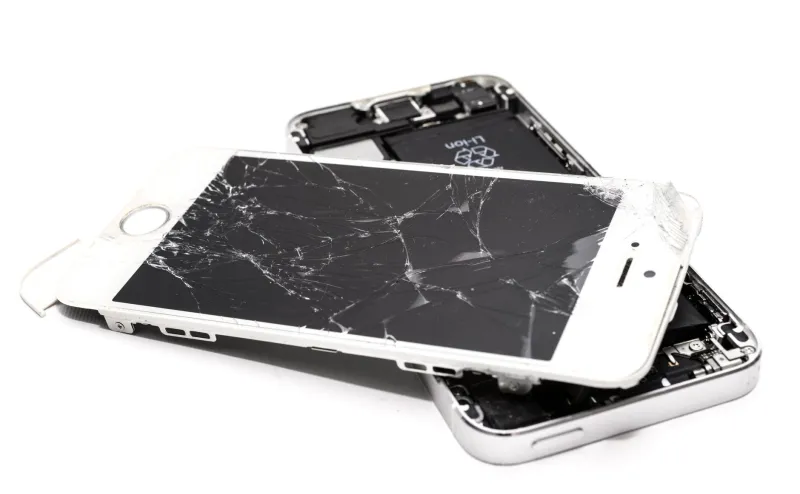
Let that screen replacement number sink in for a second. You could crack your iPhone 15 screen once — one bad fumble onto a parking lot asphalt — and you're suddenly $279 deep into a repair bill on a phone you paid $799 for. That's 35% of the original purchase price to fix a single component.
For context, a cracked screen replacement on a Google Pixel 8 runs around $219 out of warranty. Samsung Galaxy S23 screen repairs typically come in around $239 through Samsung's official service. Apple's pricing is consistently at or above the competition across the board.
The Ecosystem Tax: Cables, Chargers, and Accessories
Apple's switch from Lightning to USB-C on the iPhone 15 was genuinely good news — it means the cable in your laptop bag might now work with your phone. But if you're upgrading from an older iPhone, you're probably sitting on a collection of Lightning accessories that just became obsolete.
MagSafe chargers, Apple-certified USB-C cables, car mounts, cases — the accessory ecosystem for iPhone 15 is enormous, and premium options aren't cheap. Apple's own 20W USB-C power adapter is $19. A MagSafe charger runs $39. An official Apple silicone case adds another $49.
None of these are strictly required, but if you want the full experience Apple is selling, you're looking at another $100–$150 in accessories right out of the gate.
Carrier Financing: The Hidden Interest Trap
Most Americans don't pay $799 upfront for a smartphone — they finance it through a carrier installment plan. And while zero-interest financing through Apple's own payment plans is genuinely interest-free, financing through some carriers is a different story.
Some carrier upgrade programs bundle device costs into your monthly service bill in ways that make it difficult to separate what you're paying for the phone versus the plan. If you're upgrading annually through a carrier's trade-in program, you're often not building equity in the device — you're essentially leasing it. Run the numbers on a three-year carrier financing cycle and the effective cost of that $799 iPhone can quietly balloon past $1,200.
The Honest Two-Year Total
Let's build out a realistic two-year cost scenario for a typical American iPhone 15 owner:
| Expense | Cost |
|---|---|
| iPhone 15 (base model) | $799 |
| AppleCare+ (2 years) | $199 |
| One accidental damage claim | $29–$99 |
| USB-C charger + cable | $58 |
| Case | $30–$49 |
| Conservative Total | ~$1,115 |
| With one major repair + accessories | ~$1,300+ |
That's a far cry from the $799 sticker price. And this doesn't account for iCloud storage subscriptions ($2.99–$9.99/month for most users who need more than the free 5GB), Apple One bundle upsells, or the cost of eventually replacing an aging battery.
Is It Still Worth It?
Here's where we land: the iPhone 15 is a genuinely excellent smartphone, and for many users — especially those already embedded in the Apple ecosystem — it's absolutely worth the premium. The software longevity, the resale value retention, and the overall polish of the product justify a higher price point than most Android competitors.
But consumers deserve to walk into that purchase with eyes wide open. The $799 starting price is a floor, not a ceiling. If you're budgeting for a new phone in 2024, plan for $1,000–$1,300 as your realistic two-year investment if you want proper protection and a basic accessory setup.
Alternatively, that same budget buys you a Google Pixel 8 with its own protection plan, a full accessory kit, and money left over. Different phone, different ecosystem — but a complete package at a lower total spend.
The best phone isn't always the most expensive one. But if you're choosing the iPhone 15, at least know what you're actually signing up for.